
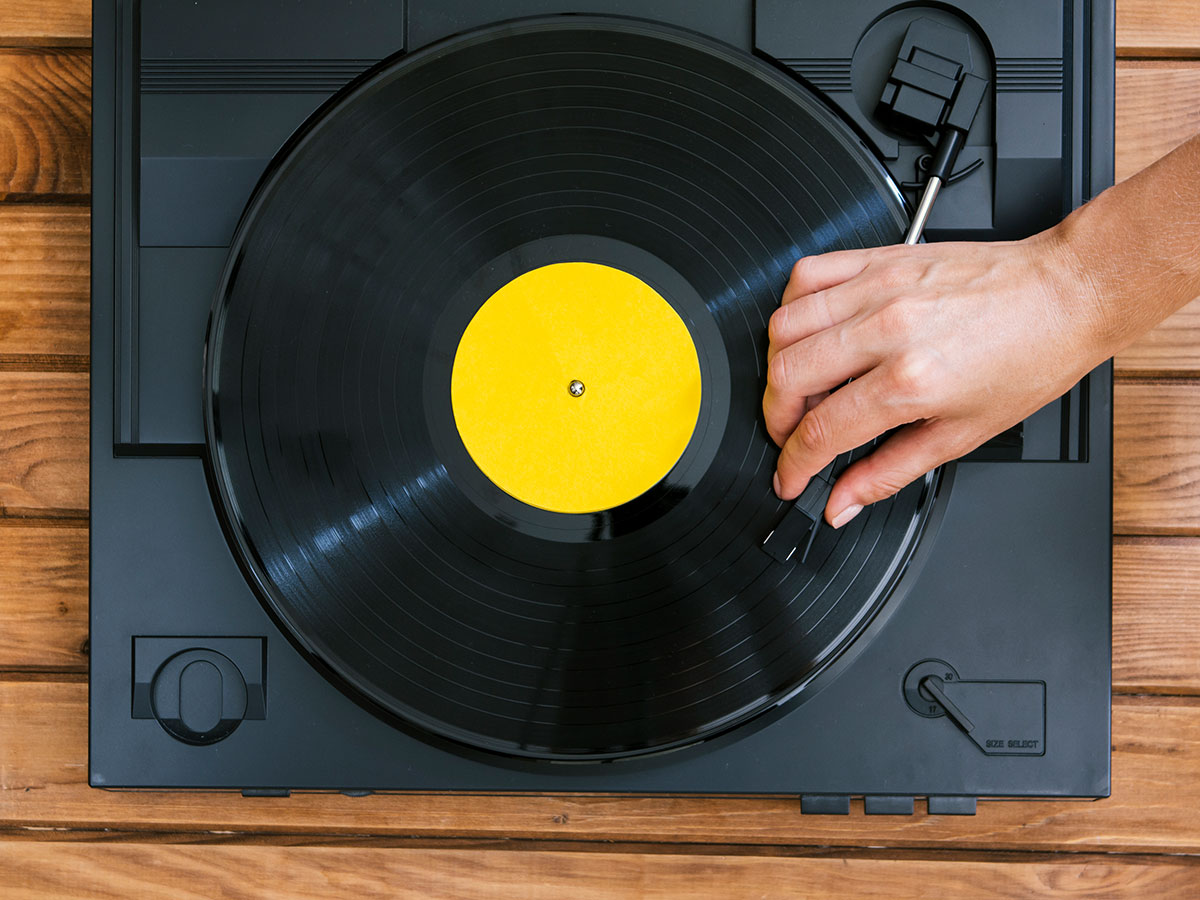
In an age dominated by instant playlists, algorithm-driven recommendations, and music that lives in our phones, vinyl records were once thought to be relics of the past. They were considered fragile, bulky, and seemingly impractical and incompatible with a world that prized speed, convenience, and endless choices. As digital streaming took over, music could be accessed with a tap, skipped in seconds, and rarely experienced fully.
Yet today, vinyl is reappearing in completely unexpected places like cafés, listening rooms, and community spaces. Its return is not driven by nostalgia alone, nor by a rejection of technology. Instead, it signals a conscious shift in how people want to experience sound.
The Return of the Vinyl Record
Vinyl slows time down. It asks listeners to be present, to sit with music rather than consume it in fragments. Vinyl offers something digital music often cannot, which is a physical relationship with sound. Every step, right from pulling a record from its sleeve, feeling its weight, aligning it on the turntable, and gently placing the needle onto the groove, turns listening into a conscious, tactile experience.
Sound is no longer invisible or instantaneous; it is handled, prepared for, and respected. This ritual naturally slows the listener down. It demands patience and presence, encouraging people to settle into the moment rather than multitask.
The music unfolds from beginning to end, uninterrupted, allowing albums to be experienced as complete works rather than a series of disconnected tracks. In a culture shaped by skipping, shuffling, and constant choice, vinyl invites deeper engagement and sustained attention.
Why Cafes are Embracing Vinyl
Cafés have evolved far beyond being quick stops for coffee. They have become places for conversation, quiet work, meetings, and creative exchange. People come not just to consume, but to stay. As these environments shift from transactional to experiential, every detail begins to matter: lighting, furniture, pacing, and sound.
Vinyl fits naturally into this evolution. It brings warmth in a way digital playlists rarely do. The soft crackle before a track begins, the subtle fluctuations in sound, and the human touch behind its operation all add texture to the atmosphere. These elements make a space feel lived-in rather than programmed. More importantly, music becomes part of the café’s identity. Vinyl forces choice and curation as someone has decided what plays and when. Instead of background noise, the sound feels considered, personal, and reflective of the space itself. Over time, this creates recognition.
Cafés like ‘For the Record’ in Goa, 33&Brew in Bangalore, Strangr in Delhi, and Baroke in Mumbai are embracing this format for exactly this reason. Vinyl is not used merely as a way to fill silence, but as a quiet statement of intent. In these spaces, music becomes part of the environment, shaping how people relax and interact.
Community Through Sound
Unlike personal headphones, vinyl draws attention outward. The music is no longer confined to individual ears; it fills the room. People notice what’s playing, recognise a familiar track, or pause to discover something new. Questions emerge, and conversations begin, often between strangers who might otherwise never interact.
Vinyl cafés tend to attract a wide spectrum of people, right from seasoned collectors, musicians, curious newcomers, to casual listeners. What connects them is not expertise or knowledge, but shared interest. There is no pressure to understand or analyse the music, only to listen. In these spaces, listening becomes a collective act. Music is experienced together, shaping the room’s energy and rhythm. Vinyl transforms music from a private escape into a communal presence, something that quietly connects people, even when no one is speaking.
Why This Matters Today
As digital fatigue grows and screen time continues to dominate daily life, many people are beginning to crave experiences that move at a slower, more human pace. In response, there is a quiet return to activities that ask for attention rather than demand it, and vinyl aligns naturally with this shift. It reflects a broader movement toward mindfulness, presence, and overall sensory engagement.
Vinyl’s return offers a balance, which is a reminder that not every experience needs to be fast. At Alphatec, we have the world’s best brands that help you experience the joy of analog audio from brands like Audio Technica, you can always visit our website for more details.