
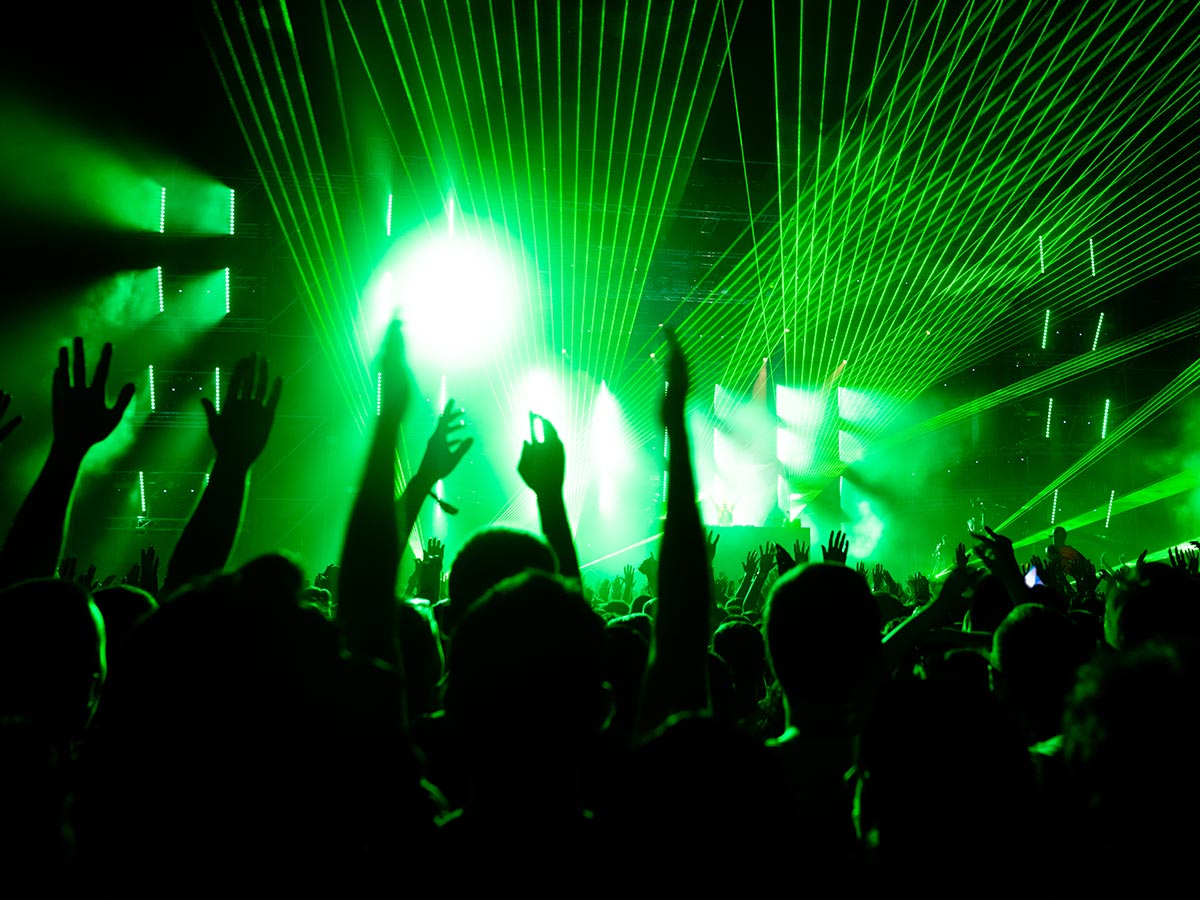
Nightlife has been taking a hit in cities all around the world. This business was built around a few profitable hours after dark, and it is slowly getting harder to make it work. In Australia, around 1,300 live music venues have closed since the start of the pandemic. Similarly, in cities like Berlin, London and Manchester, clubs and music venues have been closing down due to rising costs and changing habits in the new generation. Closer to home, Chetan Hegde, Bengaluru chapter head of the National Restaurants’ Association of India (NRAI), said: “In the last six months, around 50-60 pubs and bars in the city have either shut shop or exchanged hands.” Meanwhile, Delhi runs on a hard curfew, where standard bars close at 1 am, while venues with special licenses can go on till 3 am.
There are quite a few reasons behind this. Rents have gone up, people are opting for healthier lifestyles and are also more careful about their spending habits. For venues that only get business on weekends, it is a very difficult business model to sustain.
In light of this, venues are now starting to realise that they need to optimise the use of their spaces in order to generate revenue beyond the traditional nightlife hours. This has led to the concept of hybrid venues.
What Is A Hybrid Venue?
A hybrid venue is basically a place that serves different purposes at different times of the day. Instead of sitting empty until evening, the same space may operate as a cafe in the morning, a workshop venue in the afternoon, and a nightclub at night. The idea is to make the best use of the space and give people a reason to visit throughout the day, generating more revenue.
Why Is The Traditional Nightlife Model Becoming Harder To Sustain?
There are several factors at play here.
The first is cost in the form of rent, staffing, utilities, licenses, inventory and other operating expenses. For example, in Karnataka, a 50% increase in excise license fees was reported in 2025, alongside rising rental, manpower and liquor costs. For venues that depend heavily on weekends for business, even relatively small increases in operating costs can put pressure on them.
The second factor is changing consumer behaviour. The new generation is opting for a healthier lifestyle and is therefore drinking alcohol less. A night out is no longer just about drinking and clubbing, but about experiences like live music, art exhibitions, stand-up comedy shows, movie screenings and more. The reason for this shift is also because of rising alcohol prices and high entry fees in clubs. However, this doesn’t mean that clubs are becoming obsolete, but rather that the definition of a night out is becoming broader and venues are adapting to that change.
Some international venues have already built their identity around this broader definition of nightlife. The White Hotel in Salford, for example, became known not only as a club and concert venue but also as an arts space, hosting everything from experimental music and theatre to unconventional cultural events. The venue operated out of a former MOT garage, showing how a relatively unconventional space could become a home for several different forms of culture rather than being limited to traditional club programming.
From Nightlife Spaces to All-Day Spaces
The biggest advantage of a hybrid venue is that the space doesn’t have to wait for a specific time to be commercially useful. These spaces start as a cafe, then transform into a workshop venue and then into a bar.
We are already seeing versions of this idea emerge in Mumbai. For example, take Doolally. Alongside being a taproom, it hosts a range of workshops and offers games for visitors to enjoy, giving people multiple reasons to spend an evening there with friends. Similarly, Mumbai’s SOCIAL venues are designed to be cafe/workshop spaces during the day and become more nightlife-oriented at night. There are also more culture-led versions of the same idea. BARE Bombay combines contemporary art, design, food and cocktails, while antiSOCIAL in Lower Parel brings together food and beverage, live music, comedy and a platform for independent artists and creators.
A Hybrid Venue Is More Than Multiple Revenue Streams
There is another reason this model is interesting. It can change the relationship people have with a venue. A traditional club might be somewhere you visit once a week, or even once a month, for a specific night. A hybrid venue can become part of someone’s routine. You might come in for coffee on Monday, attend a workshop on Wednesday, meet friends for dinner on Friday and return on Saturday night for a DJ set. The venue slowly becomes a part of your daily life, rather than a spot you would visit once a month. This is particularly relevant in cities like Mumbai, Bengaluru and Delhi, where people are looking for spaces that combine work, food, culture and social experiences.
One international example that takes the community aspect even further is Sister Midnight in South London. The project is developing a community-owned music venue in Catford that combines a live music venue with a community cafe and studio spaces. Its wider ecosystem also includes Sister Midnight FM, a community radio station designed to support local artists and provide a platform for the surrounding creative community. In this case, the venue is being designed as a creative hub that can support artists, audiences and local communities at different points in their day.
Are Hybrid Venues The Future Of Nightlife?
Perhaps not every nightclub will eventually become a cafe, gallery, workspace or event venue. But the idea behind hybrid venues is likely to become extremely relevant. As operating costs rise and audiences become more selective about where they spend their time and money, venues need to have more reason to diversify what they offer.
The future of nightlife may simply be about finding new ways to stay relevant beyond the usual weekend parties. Whether it is starting workshops or building communities, the format may vary, but the underlying idea is the same: to make the best use of venues and to give people reasons to come back for more.
All About AlphaTheta
AlphaTheta Corporation, previously known as Pioneer DJ, is an international music technology company that creates products and experiences to connect people through music. The company adopted the name AlphaTheta in 2020 as a reflection of its broader vision for the future of music, while continuing to operate Pioneer DJ as a brand. The brand idea is to use technology to create experiences that go beyond just listening to music.